






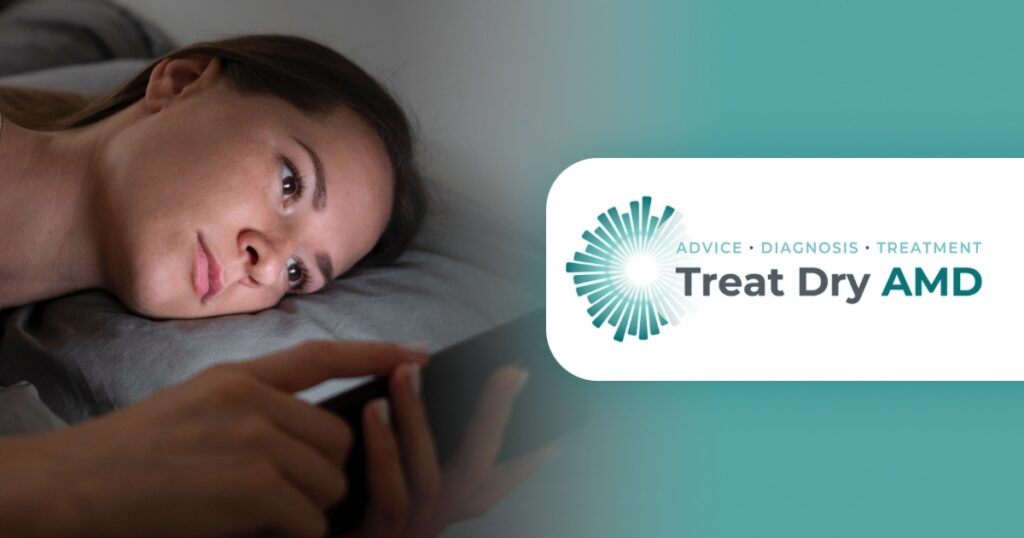
In today’s digital age, screens are everywhere—from computers and smartphones to tablets and TVs. While technology has transformed the way we work, communicate, and entertain ourselves, it has also introduced new challenges for eye health, particularly in the form of dry eye syndrome. Prolonged screen time can lead to uncomfortable symptoms like dryness, irritation, and blurred vision, a condition known as digital eye strain.
How Technology Use Causes Dry Eyes
One of the main reasons technology contributes to dry eyes is the reduction in our blink rate while using screens. On average, people blink around 15 to 20 times per minute, which helps to keep the eyes moist. However, when focusing on a screen, this rate drops dramatically, sometimes to just 5 to 7 blinks per minute. This lack of blinking prevents the tear film from spreading evenly across the surface of the eyes, leading to increased evaporation and dryness.
In addition to reduced blinking, the blue light emitted by digital screens can also contribute to discomfort. Blue light, which is part of the visible light spectrum, penetrates deep into the eyes and may cause irritation and strain, especially during long periods of use. Although blue light itself doesn’t cause dry eyes, it can exacerbate the symptoms of eye strain, making dry eyes feel worse
How Do We Treat Dry Eye in a Digital Age?
Fortunately, as technology contributes to the problem, it is also helping to develop new solutions. Many smartphones, tablets, and computers now come equipped with “night modes” or blue light filters that automatically reduce blue light exposure during evening hours. For those who spend long hours in front of a screen, these tools can help reduce overall eye strain, and blue light-blocking glasses are another popular option.
For those looking for quick relief, artificial tears specifically formulated for digital eye strain can offer immediate comfort. These lubricating drops help rehydrate the eye’s surface, soothing burning and gritty sensations often caused by extended screen time.
If you’re experiencing dry eyes due to prolonged screen time, advanced treatments can help provide relief. For example, Intense Pulsed Light Therapy uses light pulses to improve gland function and tear film quality, reducing inflammation and helping to prevent tear evaporation. To find out which treatment would be best for you get in touch with us to book a dry eye assessment.