




treat dry amd
Our Treatment
Treatment For Dry AMD
Age-related Macular Degeneration (AMD) is a common eye condition that primarily affects older adults, resulting in central vision loss. The macula, a central part of the retina, is responsible for straight-ahead vision and plays a crucial role in activities such as reading, driving, and recognising faces.
There are two main types of AMD, dry and wet.
Before beginning treatment, a comprehensive eye examination will be conducted. This includes detailed imaging of your eyes using OCT and Optos scans, allowing the optometrist to establish baseline measurements and assess the overall health of the retina.
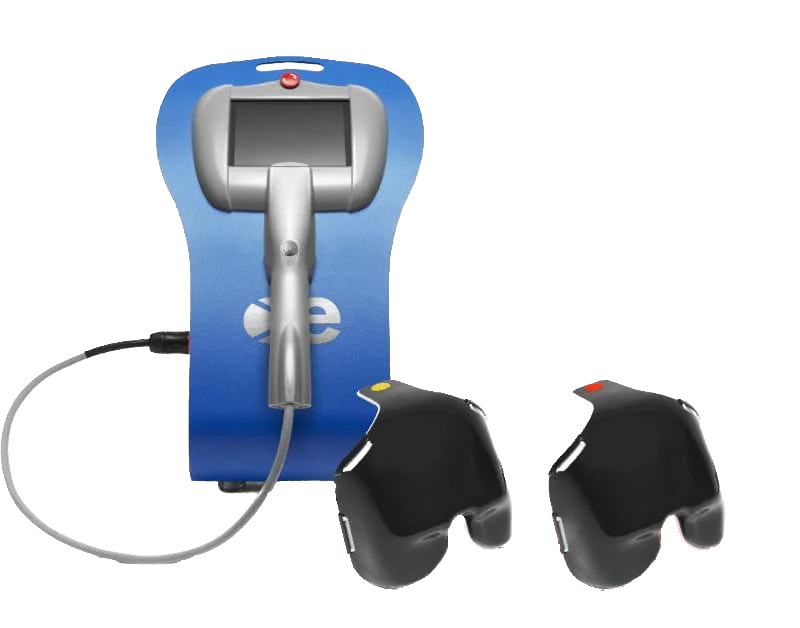
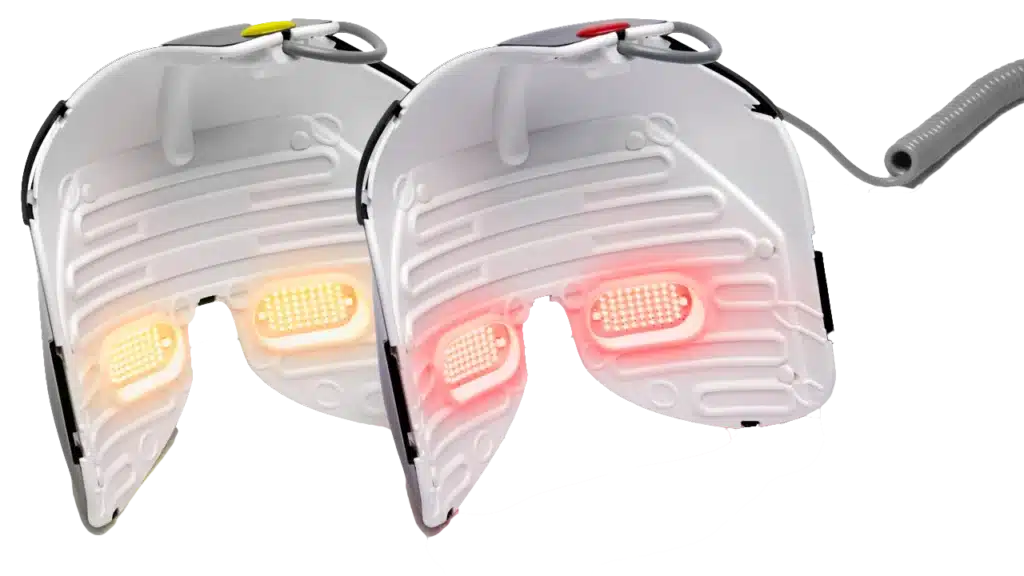
Treatment is carried out over multiple sessions, during which you will wear a light therapy mask.
The initial phase consists of 7–8 sessions, scheduled 3–4 days apart.

Traditional Treatments for Dry AMD
Historically, there has been no treatment available for dry AMD. Instead, patients have been encouraged to make lifestyle adjustments to help slow disease progression and lower the risk of developing the wet form. These recommendations include taking specific vitamins and minerals, maintaining a healthy diet, and protecting the eyes from ultraviolet light.
Photobiomodulation (PBM) therapy
A ground-breaking light-based treatment is now available through the advanced Eye-light® device. This therapy utilises light energy to stimulate cellular repair and regeneration, offering a scientifically validated, non-invasive approach to managing Dry AMD. By delivering specific wavelengths of light to targeted tissues, it is believed to enhance mitochondrial function, boosting cellular energy production. This increased energy supports tissue repair, reduces inflammation, and improves overall cellular health.
After extensive research, photobiomodulation is now being offered as a treatment option to slow or potentially reverse the progression of Age-related Macular Degeneration (AMD). As a leading cause of vision loss, particularly among older adults, AMD affects the macula—the central part of the retina responsible for sharp, central vision.
Why is this a game-changer?
PBM specifically targets AREDS 3 and lower classifications, addressing significant gaps in current treatment protocols. By slowing disease progression, preserving vision, and improving patients’ quality of life, this innovative approach marks a major advancement for eye care professionals and those affected by Dry AMD.
Stimulation of Mitochondrial Activity
Light Penetration: The Valeda device emits light at specific wavelengths—red, yellow, and near-infrared—that effectively penetrate retinal tissues.
Mitochondrial Absorption: These wavelengths are absorbed by the mitochondria, the energy-producing centers of the cells, which are highly concentrated in retinal tissue. This absorption enhances mitochondrial function, increasing the production of adenosine triphosphate (ATP), the cell’s primary energy source.
Reduction of Oxidative Stress
Neutralising Free Radicals: Increased ATP production enhances cellular efficiency, allowing cells to better neutralise free radicals. These unstable molecules contribute to oxidative stress, a major factor in the progression of AMD, by damaging essential cellular components.
Enhancing Antioxidant Defenses: PBM stimulates the production of antioxidants within the cells, providing further protection against oxidative damage and supporting overall retinal health.
Anti-inflammatory Effects
Reducing Inflammation: Light therapy helps to decrease inflammation in retinal tissues, addressing a key factor in AMD progression. By reducing chronic inflammation, this treatment minimises cellular damage and supports overall retinal health.
Improving Cellular Repair and Function
Enhanced Cellular Repair: PBM stimulates cellular repair mechanisms, enabling damaged cells to recover and function more effectively. This is particularly important for maintaining the health of retinal pigment epithelial (RPE) cells and photoreceptors, which play a critical role in vision.
Restoring Normal Function: By improving the health and functionality of RPE cells, PBM helps preserve the structural integrity of the retina, reducing the risk of further degeneration and vision loss.
Reduction in Drusen Accumulation
Clearing Cellular Waste: Drusen, accumulations of cellular waste beneath the retina, are a key hallmark of dry AMD. PBM supports the clearance of these deposits, helping to reduce their impact on retinal health.
Preventing New Formation: In addition to clearing existing drusen, PBM helps prevent the formation of new deposits, effectively slowing the progression of the disease and preserving vision.
Treatment Masks
Red light – (630 nm) boosts ATP production, restores mitochondria and increases metabolic activity, inhibits inflammation and cell death.
Yellow light – (590 nm) naturally inhibits VEGF expression, reducing blood vessel formation linked to wet AMD.
Airedale Opticians
Opticians in Keighley, Yorkshire
Airedale Opticians is a multi – Award Winning, family-run practice and the longest established Independent Opticians in Keighley and Crosshills. We are the first practice in West Yorkshire to win a coveted Optician Award for Dispensing Optician of the Year 2023

- Independent, patient-focused care
- Advanced diagnostic technology
- Specialist Dry AMD Services
- Trusted local reputation