Dry eye syndrome is a common condition that occurs when the eyes do not produce enough tears or when the tears evaporate too quickly. This can lead to discomfort, irritation, and potential damage to the eye’s surface. Understanding the various causes of dry eye can help you identify effective treatments and preventive measures. Here’s a comprehensive guide to the different factors that contribute to dry eyes, including the role of contact lenses, meibomian gland dysfunction, tear deficiency, and blepharitis.
Tear Deficiency
Tear deficiency is one of the primary causes of dry eye syndrome. This occurs when the tear glands do not produce enough tears to keep the eyes adequately lubricated. Various factors can contribute to tear deficiency. Aging plays a significant role, as tear production naturally decreases over time. Hormonal changes, particularly during menopause, can also impact tear production. Certain medications, such as antihistamines, decongestants, and some antidepressants, may reduce tear production as a side effect. Additionally, medical conditions like Sjögren’s syndrome, rheumatoid arthritis, and diabetes can further hinder tear production.
Meibomian Gland Dysfunction
Meibomian gland dysfunction (MGD) is another leading cause of evaporative dry eye. The meibomian glands, located in the eyelids, are responsible for producing the oils that form the outer layer of the tear film. When these glands become blocked or inflamed, they cannot produce sufficient oil, leading to increased evaporation of tears. Aging can lead to a decline in meibomian gland function. Environmental factors, such as exposure to wind, smoke, and low humidity, can exacerbate MGD by affecting gland performance. Additionally, certain health conditions, including blepharitis (inflammation of the eyelids), can contribute to MGD by causing inflammation around the eyelid margins.
Contact Lenses
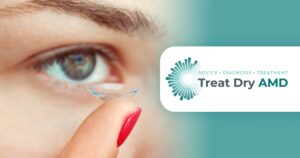
Wearing contact lenses can significantly contribute to dry eye symptoms, particularly for those already predisposed to the condition. Contact lenses can lead to dryness for several reasons. When focusing on screens or other tasks, people often blink less frequently, which is compounded when wearing contact lenses. The lenses can also increase the rate of tear evaporation, especially if they are not the right fit or type for your eyes. Some lens materials may not allow sufficient oxygen to reach the cornea, leading to discomfort and dryness. If you wear contact lenses and experience dry eye symptoms, it may be helpful to discuss options like daily disposables or specialized lenses designed for dry eyes with your eye care professional.
Blepharitis
Blepharitis is an inflammation of the eyelid margins that can lead to symptoms similar to dry eye. This condition can cause irritation, redness, and crusting at the eyelid edges. The inflammation associated with blepharitis can disrupt the normal functioning of the meibomian glands, leading to MGD and, subsequently, dry eye. Blepharitis can be caused by bacterial infections, which result in an overgrowth of bacteria on the eyelids, or by seborrheic dermatitis, a skin condition that affects the eyelids and leads to flaking and irritation. Allergic reactions can also contribute to eyelid inflammation.
Conclusion
Understanding the different causes of dry eye syndrome is essential for effective management and treatment. Whether you are dealing with tear deficiency, meibomian gland dysfunction, contact lens-related dryness, or blepharitis, various strategies and treatments are available to help alleviate your symptoms.
If you’re experiencing persistent dry eye symptoms, consider consulting an eye care professional for a comprehensive evaluation. At MyDryEyes, we offer tailored dry eye treatments to address your specific needs and help you find lasting relief.